
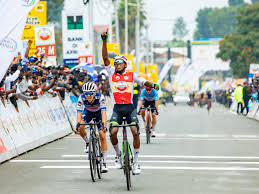
As Rwanda welcomed the UCI championships, Humura used the image of a bicycle to reflect on daily choices, manageable effort and the support that helps us keep going.
Mental health in motion
As Rwanda welcomes the UCI championships, the city fills with cheering crowds and spinning wheels. Watching a bike roll forward is a great way to think about life. You choose a direction, carry a certain load, speed up or slow down, and deal with sunshine or rain.
These cycling images are everyday reflections, not clinical advice or a treatment plan.
Hold the handlebars: choose your direction
When your hands touch the handlebars, the bike goes where you guide it. In life, your “handlebars” are your daily choices, like what you watch, who you talk to and how you speak to yourself.
Keep your hold steady, not tight. Over-controlling every moment can add stress.
Pick one clear direction each morning, such as responding calmly or finishing one important task.
Lighten the backpack: choose your load
Riding with a heavy backpack makes every small hill feel huge. We all carry things we do not need, including old worries, other people’s expectations and too many commitments.
Ask what you can put down, perhaps a task to delegate, an extra promise or a harsh story about yourself. Then ask what must stay, such as your values, real responsibilities and relationships that matter.
A lighter load does not mean avoiding life. It means riding smart.
Brakes and the go-pedal: pace is power
Good riders use both. Brakes can stand for boundaries and rest. Say “not today”, pause before replying or stop scrolling after a set time.
The go-pedal can stand for small steps forward. Make the call, drink some water, take a short walk or ask for a session. Choose light, steady pushes rather than all-out sprints.
Find a steady rhythm
Think of a smooth, comfortable pace. If your mind is racing, the article suggests a comfortable breath with a longer out-breath and cutting the to-do list to three essentials.
If you feel stuck, try one five-minute task. Breathing exercises are optional; stop if you feel uncomfortable and do not force a particular rhythm.
Weather happens: have a rain plan
We do not control the weather. Tough times show up through loss, conflict, money worries or illness. You may still have choices about waiting, changing the route or asking for protection.
Peace: quiet time, prayer if meaningful to you, or a short walk.
Awareness: journaling or a counseling check-in.
Protection: a sleep routine, simple meals and supportive people.
Options: ask about a phone or online session, smaller tasks or rescheduling.
You do not ride alone
Your team can include family, friends, a faith community, co-workers or a counselor. Sit with someone while you both do quiet work, walk and talk instead of texting, or share a simple meal.
Small connections are one way of sharing the load. They need not be a performance or a demand to disclose more than feels right.
Quick check-ups for mind and body
Bikes roll better with small, regular care. The original suggests eating regularly, drinking water, making room for sleep, moving a little and limiting the noise of news or notifications at chosen times.
These are everyday care suggestions, not an explanation for symptoms. Persistent difficulties may need professional or medical support.
When to stop and ask for help
Reach out promptly if you notice persistent hopelessness, days of not sleeping or eating, using alcohol or drugs most days to cope, or a loss or conflict you cannot process alone.
Thoughts of self-harm or fear of hurting yourself or someone else need urgent attention. In immediate danger in Rwanda, call 112 or go to the nearest emergency department. Elsewhere use local emergency services rather than waiting for a website response.
The article puts it simply, “Strong people ask for help early.”
In an emergency call 112. Or go to the nearest emergency department. Humura is not a crisis service and does not monitor messages around the clock.
A five-minute handlebar reset
Try only what feels comfortable. You can skip a step or stop at any time.
Rest your hands on your thighs and take a few comfortable breaths.
Name one direction for today.
Choose one worry or task to put down or delegate.
Plan a short break without notifications.
Take one small action connected to your values.
Avoid over-training: protect your energy
Plan rest as you plan meetings, alternate demanding tasks with lighter ones, and check in with someone when your load feels too heavy.
The article closes by offering help to choose a direction, lighten the load and make a plan at your own pace. Everyday habits are not a substitute for care when more support is needed.
Related:

Koen De Pelsmaeker
Licensed counselor and founder of Humura Counseling in Kigali. Sessions in English, French and Dutch, in Kacyiru or online.